


About Podgora

About Podgora

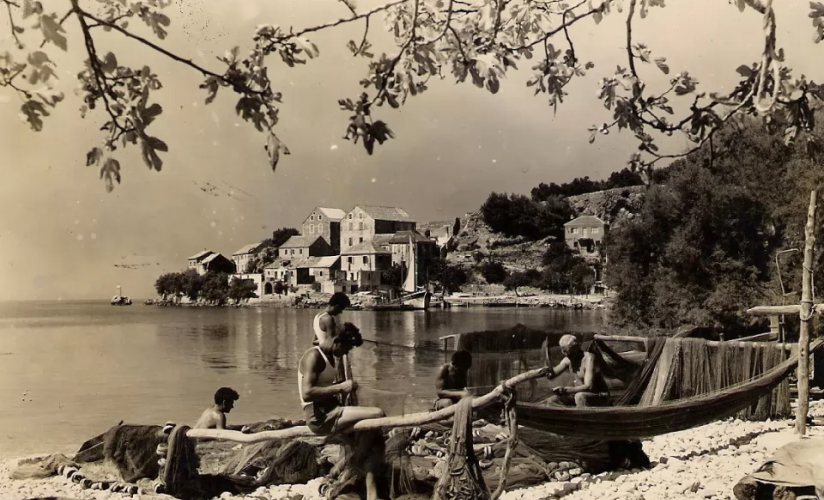
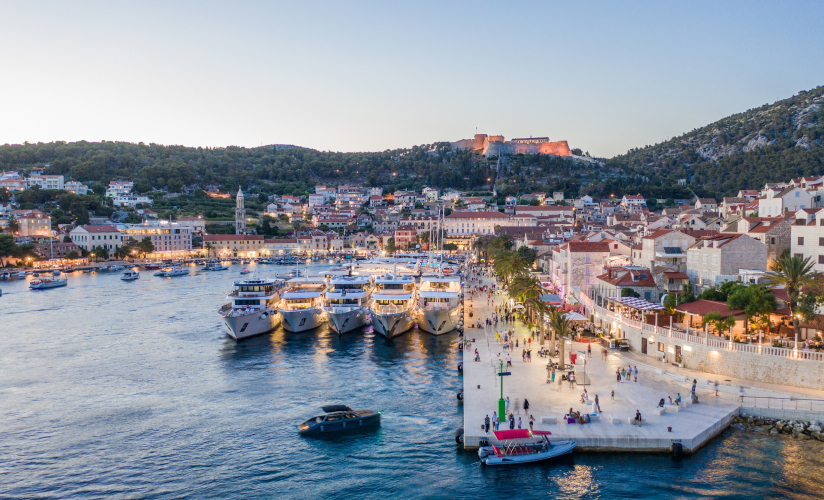
Welcome to Podgora, the heart of the Makarska Riviera, a serene coastal gem where the azure Adriatic Sea harmoniously meets the rugged Biokovo mountain, whose name is derived from "under the mountain." Fishing, seafaring, and olive growing, as some of the most important economic sectors, shape the past, present, and future of Podgora. For more than a century, tourism has invited those seeking an escape from hectic everyday life to this picturesque place. Known for their hospitality, the people of Podgora, a community of just over 1,500, do everything to ensure guests experience the scent and buzz of the Mediterranean atmosphere, savoring their time in Podgora with all their senses. The hospitality you will feel, the warm gazes, kind words, and stories of the place live on through tourists who carry these stories and experiences as memories of Podgora, Dalmatia, and Croatia.

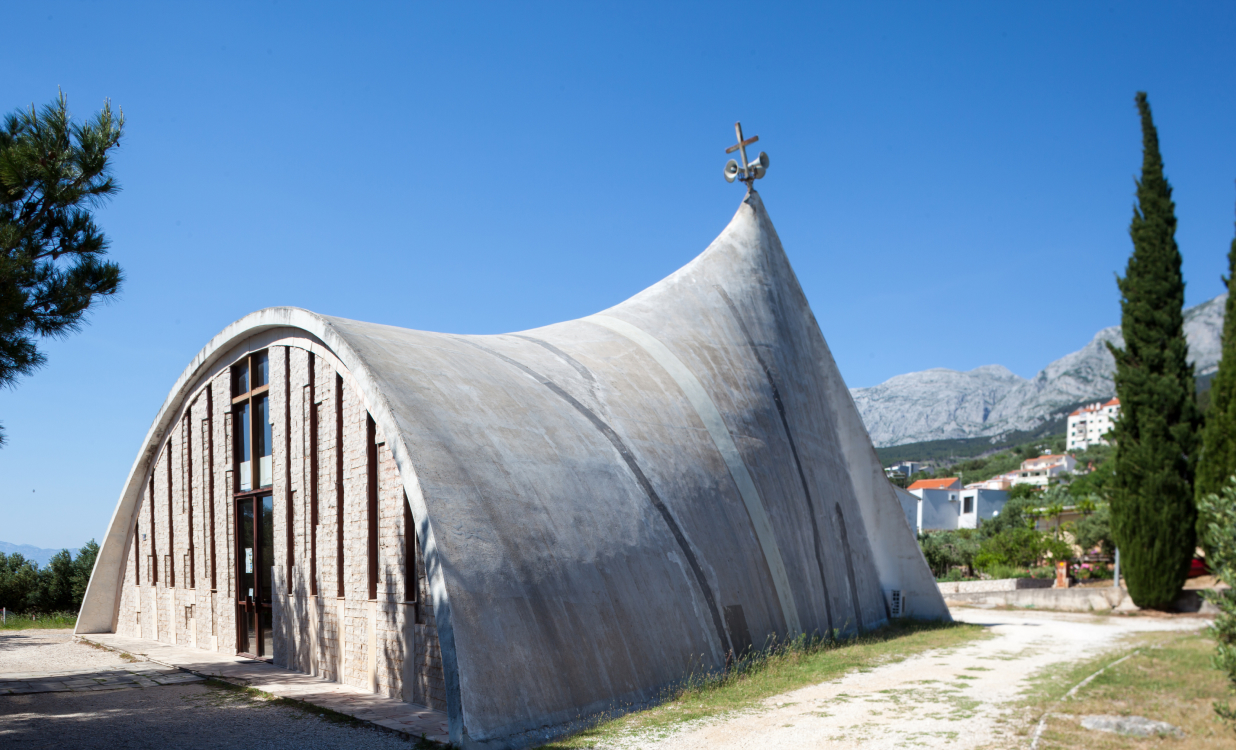
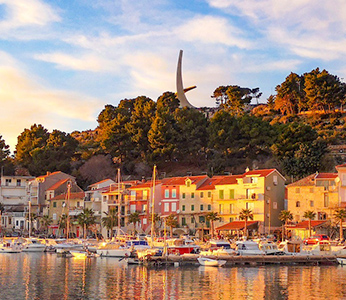
Protected by the Wings of the Seagull monument, embraced by the open arms of the Uzorita monument, and illuminated by the light of the Ijak chapel-lighthouse, with the perfectly shaped pebbles of Plišivac beach, a captivating history, and countless hidden and well-known beauties, Podgora ensures your stay is an unforgettable experience.

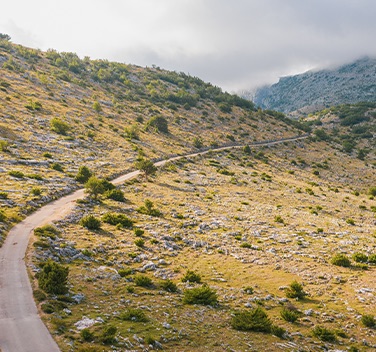
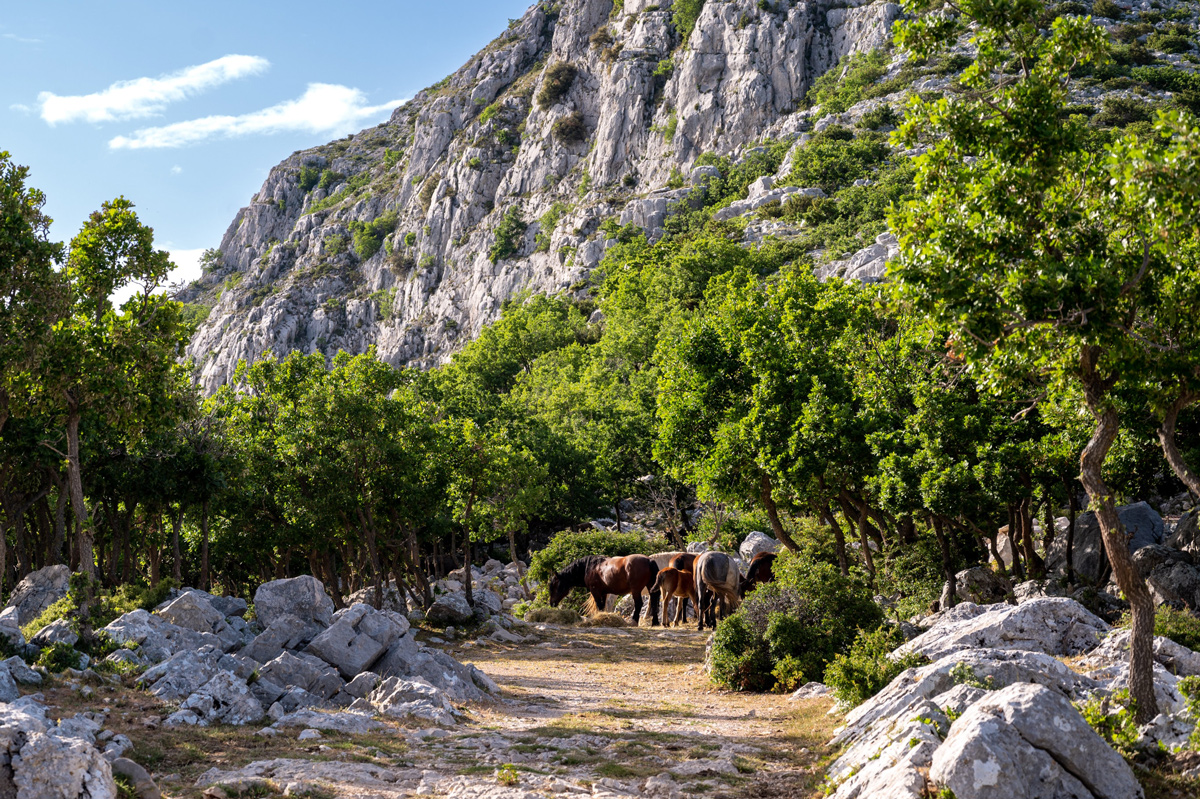
In Podgora, you will discover an oasis where time seemingly slows down, inviting you to immerse yourself in the surrounding tranquility. Whether you enjoy the warm Mediterranean sun on pristine beaches, explore hidden coves accessible only by boat, or embark on exciting hiking and trekking excursions through lush forests and mountain trails, there are endless opportunities to connect with nature's beauty.

But it’s not just the landscape that enchants; from savoring freshly caught seafood in seaside restaurants to strolling along cobbled streets filled with cozy cafes, restaurants, and family-run shops, every moment in Podgora is rich with authentic warmth and hospitality.

So, whether you're seeking adventure among wild landscapes or simply yearning for a peaceful seaside retreat, Podgora promises an unforgettable journey for the senses and the soul. Come, surrender to the harmony of the sea and mountains, and let the rhythm of nature soothe your spirit in this hidden paradise on the Adriatic coast.

Podgora uniqueness

Many agree that this place, located right in the heart of the Croatian coast, is the most beautiful spot on the Makarska Riviera.
The sea in Podgora is impeccably clear, and the beaches are environmentally pristine. Of course, there’s the well-known Mediterranean culinary offer, as well as modern accommodation facilities and numerous recreational and sports activities that can make your holiday even more enjoyable.

A special feature of Podgora’s beaches, which stretch for about 5.5 kilometers along the coast, is the unique meeting point of the Biokovo mountain and the sea. Over thousands of years, various natural processes have shaped the most beautiful pebble beaches in this part of the coast.

The wider area of Podgora holds a large but mostly unknown number of freshwater springs. Many of them have been developed and built up, and the abundance of water in this region was one of the key reasons for the early settlement of the area. At the beginning of the 20th century, streams from these springs powered as many as 24 mills, and traces of the earthquake damage are still visible today on some of the developed springs.

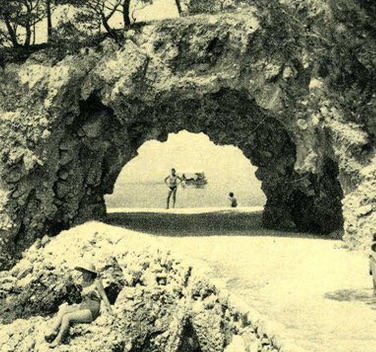
Once a symbol of Podgora, the so-called Prolaz sriće (“Passage of Happiness”) was located in the area of Sutikla. A rocky arch stood over a passage right by the sea until the earthquake of 1962. Sadly, the earthquake destroyed it, but locals still affectionately refer to the spot as the Cesta sriće (“Road of Happiness”).

In the ruins of many older houses in Podgora, it’s not unusual to find copper coins, a charming part of the area's history. Since Venetian times, locals have traditionally buried copper coins beneath the doorsteps of new houses, believing—according to legend—that this would bring good fortune. This tradition lasted until the mid-20th century.

One of the most famous local legends tells the tragic story of Tekla. During a sea voyage, a young girl named Tekla died on a sailing ship, and her father, heartbroken by the loss of his only daughter, refused to commit her body to the sea, as was the custom. While sailing near Podgora, he discovered a place that reminded him of a ship, with cypress trees that resembled masts.

There, he buried his daughter, and according to legend, this was the first grave at what is now known as Punta of Saint Tekla.
There are many other local legends and remnants of long-past times—some of which you can still experience today. In Podgora, there is never a shortage of stories.

History of Podgora

Podgora was first mentioned as one of the places under Venetian protection after the Turkish defeat at the Battle of Lepanto, as early as 1571.
In the cemetery next to the Church of St. Tekla, you can still see tombstones from that era. Despite being first documented in the medieval period, archaeological artifacts testify to the existence of numerous settlements in this area over thousands of years, from prehistoric and ancient times, through the Middle Ages, and into the modern era. This is likely due to its favorable location, mild climate, and stunning natural beauty.

The name itself Podgora naturally comes from its position at the very foothills of Biokovo Mountain. During the Turkish invasions, this place was one of the strategic defensive points, which is why many towers were built at the time, and the settlement was given the title "Kaštel" (Castello).

The town is divided into two parts: Upper (Old) Podgora was built by locals who fled to the slopes of Biokovo to escape frequent attacks by outlaws, seeking shelter. 

Lower Podgora (Kraj) was mostly built after the devastating earthquake of 1962, which destroyed much of the settlement and countless natural wonders. The construction of Lower Podgora marked the beginning of rapid tourism development in the area.

Cultural and historical heritage

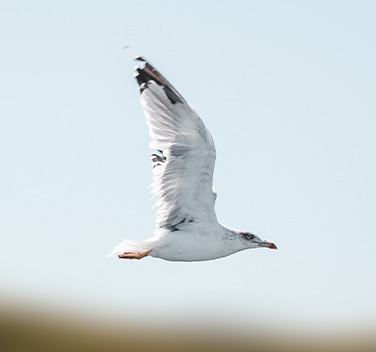
On the slopes of Biokovo, just above Upper Podgora, the “Wings of the Seagull” monument was erected in 1962, in memory of the partisan naval forces founded in Podgora 20 years earlier.
The broken wing symbolizes the sailors who died fighting for freedom, while the upright wing represents the rise to victory.

Nearby is the prehistoric site of Troje gomile—four burial mounds of ancient chieftains that also served as lookout points (tumuli). Three of the mounds are partially preserved, while the fourth has been fully excavated, clearly revealing the remains of a grave.

In Upper Podgora, you can also find the remains of Roščić Tower, part of the defensive system built in the 17th and 18th centuries to protect against Ottoman invasions. The last remaining tower, Roščić’s, was severely damaged in the 1962 earthquake.


Sacred Architecture

This small village is proud of its long Christian tradition, reflected in the large number of churches and chapels—more than twenty in total. Be sure to visit at least one, though each one tells its own unique story.

The Baroque Church of St. Tekla, built in 1626, is especially notable for its stunning location—surrounded by nature, perched on the cape of St. Tekla. In the church courtyard, you can still see the remains of a cemetery dating from the time of the Turkish raids.

There is also the Church of St. Roch with its adjacent cemetery, both dating back to the 17th century. According to local tradition, this is where victims of the plague were buried. The church suffered severe damage in the 1962 earthquake, but its bell tower had already been missing since World War I, when enemy forces reportedly used its stones as cannonballs.

In the Church of All Saints, you’ll find an altar containing the relics of St. Vicence, the patron saint of the municipality. On the first Sunday after the Assumption (August 15), a festive mass is held in the church in his honor, accompanied by a large fair that draws visitors—even from neighboring Bosnia and Herzegovina.

One of the most fascinating buildings in Podgora is the Ijak Chapel-Lighthouse, located on Cape Ijak. Dedicated to the Blessed Virgin Mary and, naturally, to St. Nicholas, patron saint of sailors, the chapel also functioned as a fully operational lighthouse. Even the oldest locals do not know when it was built, and it is sometimes referred to as one of the oldest preserved lighthouses in the Mediterranean.

The Chapel of the Sacred Heart of Jesus is considered the most interesting historical site in the area. With a unique blend of Venetian Baroque and local architectural influences, it is one of the best-preserved sacral buildings in the region. Part of the former estate includes the gate of the Mrkušić family summer residence, which once stood beside the chapel, as well as the well-preserved Mrkušić family coat of arms, symbolically combining, according to heraldic tradition, Dalmatia—where this noble family resided—and their homeland, Bosnia.

Also worth mentioning are the Church of St. Liberan, the Church of St. George, the Church of the Holy Cross, the Church of Our Lady of Mount Carmel, and the Church of the Assumption of the Virgin Mary.

The climate of Podgora

The entire Makarska Riviera enjoys a pleasant Mediterranean climate.
Biokovo Mountain shields the whole area from harsh continental weather, ensuring that summer temperatures consistently stay above 20°C (68°F). Even the sea temperatures range between 22°C and 27°C (72°F–81°F).

During summer, a refreshing maestral wind often blows, while winters here are exceptionally mild. This region receives over 2,750 hours of sunshine annually, making it one of the sunniest places on the Mediterranean. As a result, the area is rich in aromatic Mediterranean vegetation lavender, olives, rosemary.

The climate in Podgora has an especially beneficial effect on your health.

Nearby attractions

Since Podgora is located in the very heart of Dalmatia, all major Dalmatian tourist destinations are within easy reach.
Also nearby is the Neretva River Valley, where you can hop into a traditional Neretva boat and enjoy a romantic river cruise, as well as several UNESCO World Heritage Sites and National Parks, all just a short distance away.

Need help?

Contact Us

Phone Podgora
+385 21 678 942
Phone Drašnice
+385 21 625 560
Working hours
Mon - Sat: 7:30 - 20:00
Sun: 7:30 - 13:00
Office location
Google map

You are looking for more information or you want to contact us via the inquiry form.

Read More